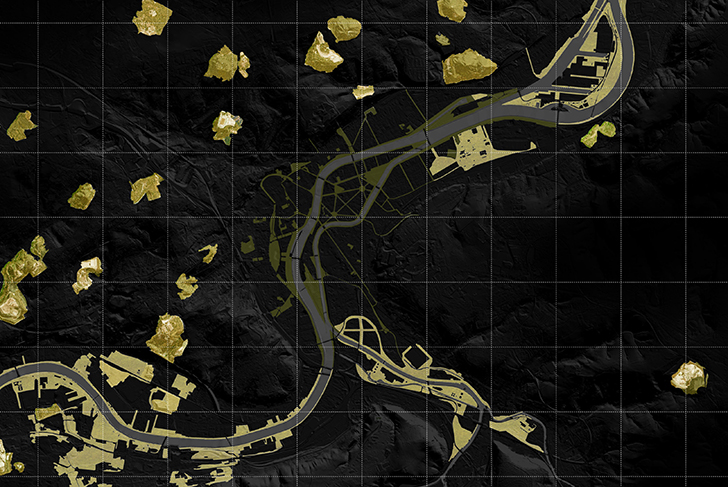
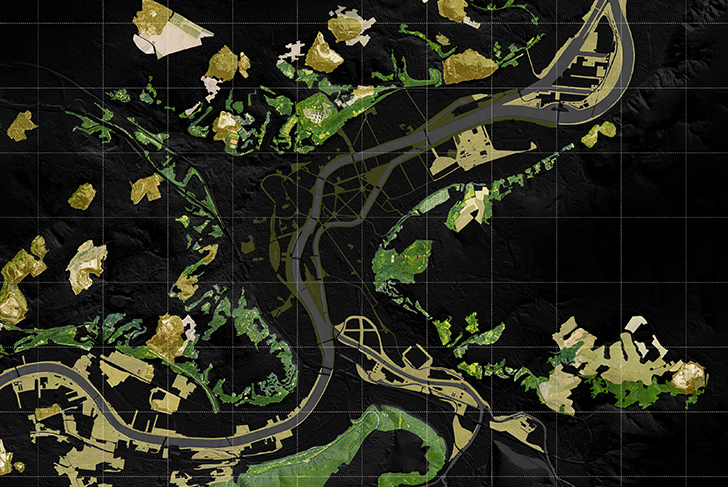
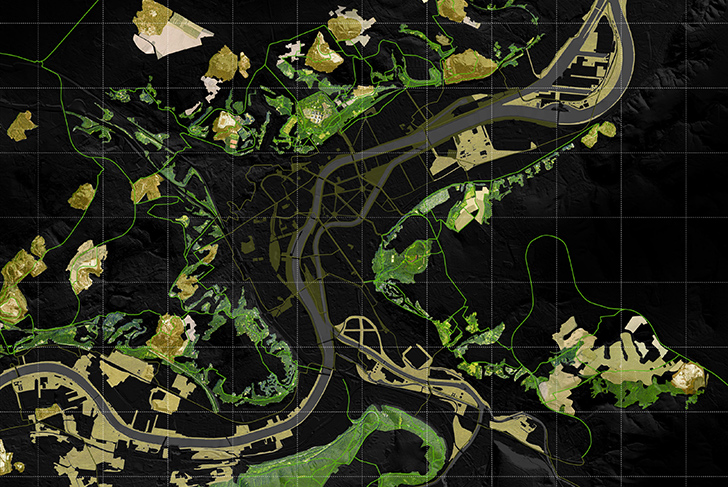
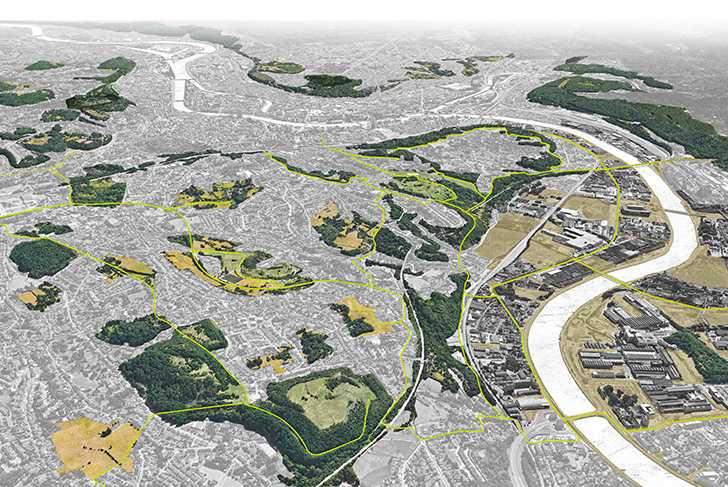
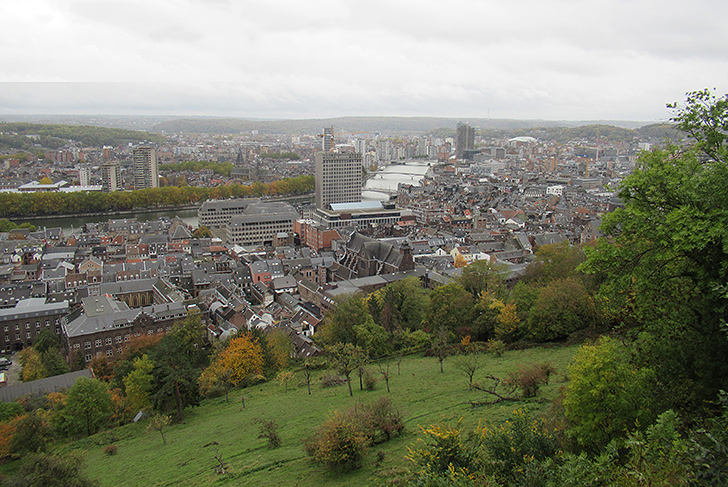
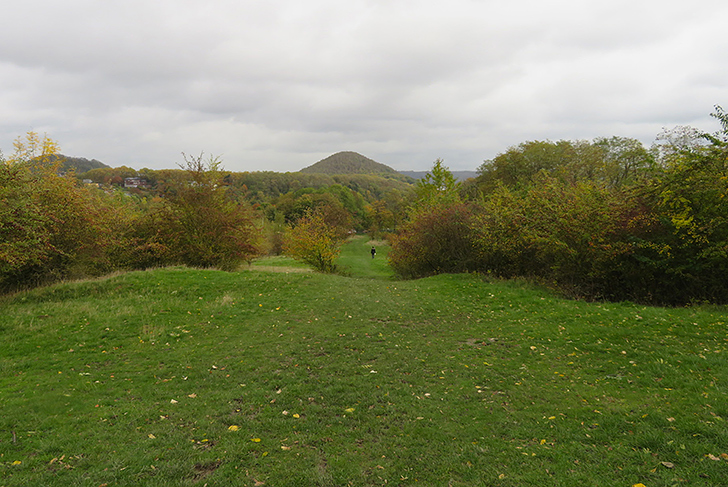
Within the framework of an expertise for the city of Liège, we have studied the non-planned part of the city, that of the old cities and the mineral exploitations. It is characterized by an archipelago made up of an expansive suburban fabric, punctuated by industrial vestiges, residual agricultural areas, and interspersed with major road infrastructures. Following the model of 19th-century American park systems, where parks superimposed on existing geography to transform it into future public spaces, we propose that these derelict infrastructures are connected, complemented, and requalified into a chain of parks. Everything is a matter of displacement of the gaze. The first actions consist of creating new porosities, entry points and to network this chain of places. This large-scale landscape structure combines elements of natural and artificial geography. The new paths connect to the existing wooded hillsides, while the requalification of the voids that have become parks offers the opportunity to engage that of the surrounding built fabric. The chain of parks gives an immediate quality to the landscape, and indirectly to the built domain by a multitude of future urban projects within an extraordinary canvas.
City of Liège
MDP Michel Desvigne Paysagiste
6 900 ha